

A maternity chiro treatment supports posture, joints, and habits to ease low back, pelvic, hip, rib, neck, sciatica-like, and posture pains through pregnancy.
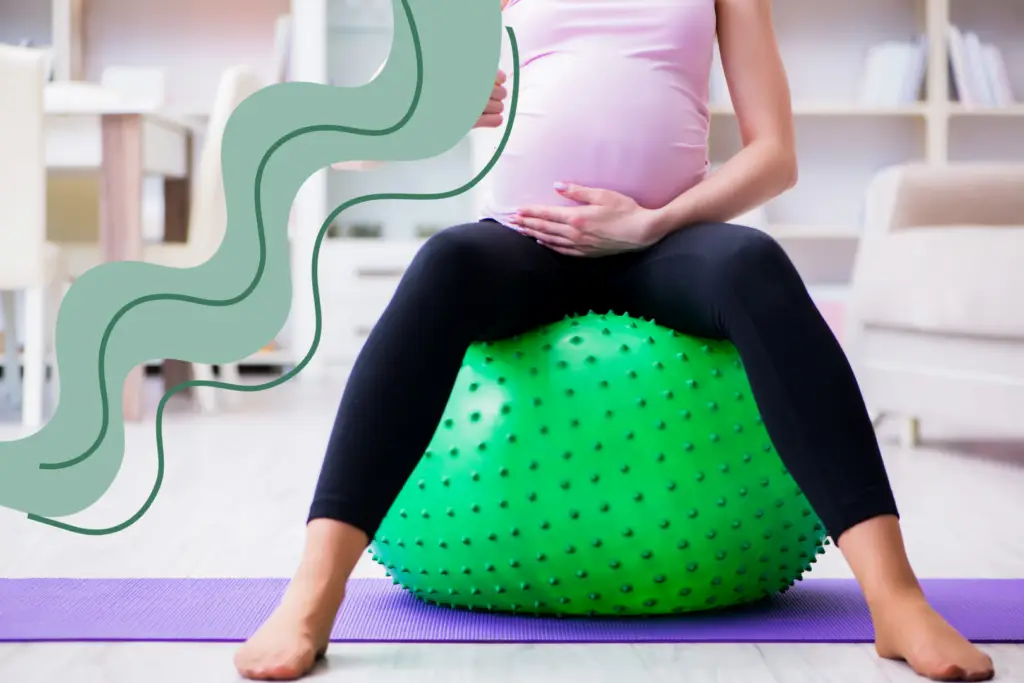
Pregnancy changes everything about how your body moves, carries weight, and feels at the end of a long day. What used to be a comfortable sleeping position no longer works. Standing for an hour leaves your lower back aching. Getting out of the car has become a project. None of this is unusual, and none of it means something is seriously wrong. But it does mean your body is working hard to adapt to rapid, significant changes.
Hormonal shifts, a shifting centre of gravity, increased joint mobility, and postural adaptations all play a role in how pregnancy discomfort develops. This article covers seven common areas where a maternity chiro treatment may be able to support comfort and movement, and what that care generally involves.
Table of Contents
How Maternity Chiro Care Supports the Changing Body During Pregnancy
Pregnancy-focused chiropractic care is assessment-based. A chiropractor will consider your trimester, symptom history, overall health, and how your body is moving before deciding on an approach. Care may include gentle joint and soft tissue techniques, mobility guidance, posture education, home exercises, and ergonomic advice for work, sleep, and daily tasks.
Techniques are adapted throughout pregnancy. Positioning, pressure, and the type of adjustment used will change based on your comfort and how your body is responding. Care should also be coordinated with your broader healthcare team, particularly your physician or midwife, when needed.
Why Aches and Pains Can Become More Noticeable During Pregnancy
Several things happen at once during pregnancy that can contribute to discomfort. The hormone relaxin loosens ligaments and joints to help the body prepare for birth, but that increased mobility can also make joints less stable and more sensitive to load. Your centre of gravity shifts forward as the abdomen grows, which changes how you stand, walk, and carry yourself. Breast tissue increases, adding weight through the upper chest and shoulders. Sleep positions become more restricted. Fluid retention can add pressure around joints and nerves.
Discomfort can show up even if you were active and pain-free before pregnancy. The body is adapting to a lot of change in a short period of time, and some areas feel that more than others.
1. Low Back Pain
Low back pain is one of the most reported pregnancy complaints. Cedars-Sinai estimates it affects 50 to 80% of pregnant women. As the abdomen grows, the curve of the lower back can increase, muscles work harder to compensate, and walking and standing mechanics shift. Prolonged sitting, lifting, poor sleep support, and reduced core engagement can all add to the load on the lumbar spine.
Care from maternity chiro treatments may include gentle spinal and pelvic mobility work, soft tissue techniques, activity modification, and home exercises aimed at supporting the lower back. The lumbar spine works with the pelvis to support body weight and stabilize movement, so addressing how that system is functioning can be a useful starting point.
Signs Low Back Pain May Need Extra Attention
Seek timely guidance from your prenatal care provider if you experience severe or rapidly worsening pain, pain accompanied by fever, sudden leg weakness, numbness, or any symptoms that feel unusual or different from your normal pregnancy discomfort. When in doubt, check with your physician or midwife first.
2. Pelvic Pain
Pelvic pain during pregnancy can involve the sacroiliac joints, the pubic symphysis, or the deep pelvic region. As relaxin loosens the ligaments supporting these joints, they can become more sensitive to load and movement. Common triggers include rolling over in bed, climbing stairs, getting in and out of a car, walking longer distances, or standing on one leg.
Treatment from a maternity chiro may focus on pelvic alignment, muscle balance around the hips and pelvis, movement strategies for daily tasks, and modifications that reduce strain on sensitive joints. Our Active Hip Centre also works with hip and pelvic dysfunction for those who need a more focused rehabilitation approach.
Daily Movement Tips for Pelvic Comfort
Keep your knees together when rolling in bed or getting out of a car. Take smaller steps when walking. Avoid carrying weight on one side of the body when possible. Use a pillow between your knees when side sleeping. These are general suggestions, so adjust based on what feels comfortable for you.
3. Hip Pain
Hip discomfort during pregnancy can show up at the side of the hip, deep in the buttock, or around the front of the hip. Side sleeping, changes in gait, glute muscle tension, and pelvic widening sensations all contribute. What many people describe as sciatica is often piriformis syndrome or posterior pelvic pain, where tension through the deep buttock muscles creates aching or radiating discomfort into the leg.
Care may include hip mobility work, soft tissue release, gentle strengthening guidance, and advice on pillow positioning for sleep. A movement and posture assessment can help clarify whether pain is related to pelvic mechanics, lumbar stress, or muscle tension patterns.
4. Rib Pain
As the uterus grows upward, it puts pressure on the diaphragm and lower ribs. This can irritate the joints where the ribs meet the thoracic spine, compress intercostal nerves, and cause tightness through the upper back and rib cage. Postural rounding, changes in breathing patterns, and increased breast weight can all add to thoracic strain. Rib pain is most common in the third trimester but can appear earlier.
Your maternity chiro support may utilize gentle mid-back mobility work, soft tissue techniques around the upper back and rib cage, breathing strategies, and posture education. The goal is to reduce tension and improve how the thoracic spine and ribs are moving, not to change baby position or guarantee relief.
Simple Position Changes That May Help
Try adjusting your seated posture so you are not slumping forward. Use a lumbar support cushion to reduce rounding. Gentle thoracic extension over a rolled towel or chair back may help open the chest. Slow, deliberate breaths that expand the sides and back of the rib cage, rather than just lifting through the chest, can reduce tension in the intercostal muscles. Stop any movement that increases pain.
5. Neck Tension
Neck and shoulder tightness is common during pregnancy, and often overlooked. Growing breast tissue pulls the shoulders forward. Sleep disruption means more time in positions that strain the neck. Stress, increased screen time, and changes in breathing patterns can all contribute. As our neck pain page explains, tension in the cervical spine can affect blood flow and nerve function, sometimes producing headaches or discomfort into the upper arms.
Most pregnancy headaches are muscle tension headaches, which are biomechanical in nature. A maternity chiro treatment may integrate gentle neck and upper back techniques, soft tissue therapy, mobility exercises, and ergonomic advice for work and sleep positions.
Desk and Sleep Habits That Can Affect Neck Tension
Keep your laptop or screen at eye level rather than looking down. Hold your phone up rather than tilting your head forward. Use a supportive pillow that keeps your head aligned with your spine when side sleeping. Take short movement breaks every 30 to 45 minutes if you sit for long periods. Small changes in daily habits can reduce the cumulative load on the neck and upper back.
6. Sciatica-Like Symptoms
Pain, tingling, or aching into the buttock, back of the thigh, or down the leg is common during pregnancy. As we explain on our sciatica conditions page, the changes that occur in the pelvis and spine during pregnancy can create issues along the sciatic nerve. But not all radiating leg pain is true sciatic nerve compression. Muscle tension, pelvic mechanics, and nerve sensitivity can all produce similar symptoms.
Chiropractic care may involve a thorough assessment, gentle mobility work, soft tissue techniques, nerve-friendly positioning, and exercises to reduce irritation. The cause matters, because it shapes what approach makes sense. Our sciatica blog covers what assessment and phased care typically looks like.
When Radiating Symptoms Should Be Checked Promptly
If you develop progressive leg weakness, loss of bladder or bowel control, numbness in the saddle area, or severe unrelenting pain, seek immediate medical attention. These are red flags that need urgent assessment, not a chiropractic appointment.
7. Posture-Related Discomfort
As the abdomen expands, the pelvis tilts forward, the lower back curve increases, the head may shift forward to compensate, and the shoulders round. These are normal adaptations, but they place sustained demand on muscles and joints through the back, neck, hips, and feet. Prolonged sitting or standing makes symptoms more noticeable. As our chiropractic blog notes, when one area of the body moves less freely, others compensate, and that compensation can build over time.
Chiropractic care may include posture coaching, movement variety, gentle strengthening guidance, and practical modifications for work, driving, sleep, and exercise. The goal is to reduce sustained strain, not to achieve a rigid ideal posture.
Posture Is About Options, Not Perfection
The aim is to vary your positions throughout the day rather than hold one “correct” posture. Alternate between sitting and standing. Use lumbar support when seated. Keep screens at eye level. Take short walking breaks. No single position is perfect, but staying in any one position for too long tends to increase discomfort.
What to Expect at a Pregnancy-Focused Chiropractic Appointment
Your first appointment for maternity chiro support will typically include a health history, pregnancy-related questions, a movement and posture assessment, and a discussion of your symptoms and goals. Treatment is adapted to your comfort and stage of pregnancy. Positioning may involve side-lying, seated, or supported options rather than lying face down. Your chiropractor should explain what they are doing and why, and informed consent should be part of the process throughout your care.
How Chiropractic Care Can Fit Within a Broader Prenatal Wellness Plan
Pregnancy discomfort often responds better to a coordinated approach than to any single therapy. Depending on your symptoms, care may also include physiotherapy, massage therapy, acupuncture, or pelvic floor-focused support. Altitude Collaborative Health brings together chiropractors, physiotherapists, massage therapists, and other practitioners under one roof in Calgary, working as one team rather than in separate silos. We also offer prenatal and postnatal Pilates for safe, supported movement during and after pregnancy, and Emsella therapy for postpartum pelvic floor recovery.
When to Speak With Your Prenatal Care Provider First
Check with your physician or midwife before starting new care if your pregnancy is high-risk, if you have experienced trauma, or if you have symptoms such as heavy bleeding, sudden swelling, severe headache with vision changes, chest pain, fever, dizziness, decreased fetal movement, or unusual abdominal pain. Chiropractic care is not a substitute for prenatal medical care and should complement, not replace, your existing healthcare team.
Feeling More Supported Through Pregnancy
Low back pain, pelvic pain, hip pain, rib pain, neck tension, sciatica-like symptoms, and posture-related discomfort are all common during pregnancy. You do not have to push through them or wait until after birth to seek support. What helps most is an individualized assessment that looks at what is actually driving your discomfort, rather than guessing.
If you are in Calgary and looking for maternity chiro treatments for pregnancy-informed support, you can learn more about our approach to chiropractic care or book an appointment online. Our team is here to help you move and feel better through every stage of pregnancy.