

Learn how physio for arthritis can help reduce pain, improve mobility, build strength, and make everyday activities easier to manage. Book an assessment today.
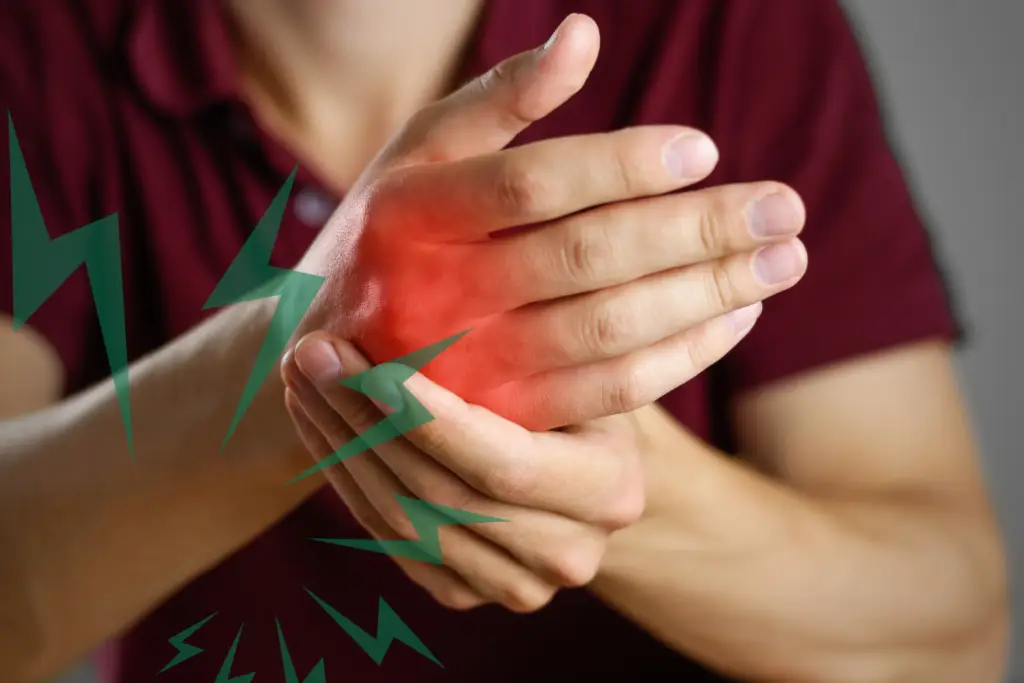
Arthritis management isn’t a straight line. Navigating the ups and downs can often feel incredibly frustrating. For decades, the common advice was to “just rest” when your joints hurt. However, modern medical science shows that this passive approach often worsens symptoms, increases structural stiffness, and diminishes your overall quality of life over time. Effective physio for arthritis focuses instead on building sustained physical habits, developing muscle strength, and tailoring personalized strategies to help you maintain your daily activities, rather than offering an unrealistic, one-time fix. When you commit to physio for arthritis, you are taking a proactive stance against joint degradation, ensuring you remain as mobile and independent as possible for years to come.
Table of Contents
How Physio for Arthritis Fits Into a Long-Term Management Plan
Physiotherapy does much more than treat acute injuries. It addresses ongoing pain, progressive mobility limitations, and underlying muscular strength by fitting the broad treatment plan to your specific life, not just your clinical diagnosis. According to the Johns Hopkins Arthritis Center, engaging in regular physical activity strengthens the supporting muscles around your joints, prevents bone loss, drastically reduces morning stiffness, and helps control everyday joint pain. At Altitude Collaborative Health, an active, highly evidence-based physiotherapy approach helps you safely return to the activities you love—whether that is hiking, playing with your grandchildren, or simply walking to the grocery store—while seamlessly adapting as your arthritis symptoms change over time.
Start With a Clear Assessment and Realistic Goals
An effective approach to physio for arthritis starts with a thorough assessment that provides an accurate baseline by evaluating your precise range of motion, functional strength, dynamic balance, and specific joint pain patterns. For instance, Altitude’s Active Hip Centre thoroughly examines how the complete lower kinetic chain—including the feet, lower legs, knees, and spine—contributes to complex hip dysfunction. From there, you and your therapist will set practical, measurable goals. Instead of settling for a vague goal like “feeling better,” aim for walking a full block, standing to cook a family dinner, or completely finishing gardening tasks without experiencing next-day throbbing. Setting these distinct benchmarks gives your plan focused direction, helps effectively track progress, and keeps you motivated on more difficult days.
Maintenance Exercises That Support Arthritic Joints
The primary goal with any ongoing maintenance exercise routine is establishing long-term sustainability. A fundamental cornerstone of physio for arthritis is finding effective maintenance exercises that you can realistically stick to week after week. Rather than pushing you to sheer exhaustion, a customized and well-rounded program heavily covers four key physical areas based specifically on your uniquely affected joints and personal physical capacity.
Range-of-Motion and Mobility Exercises
Gentle, deliberate mobility work significantly reduces the intense stiffness that often builds up overnight or after periods of inactivity. Mayo Clinic notes these specific stretching exercises can and should be done most days to maintain full, unrestricted joint movement. Incorporating simple dynamic stretches, especially first thing in the morning, successfully ensures that synovial fluid properly circulates and adequately lubricates the joint structures without deliberately pushing through sharp or sudden pain.
Strength Training for Joint Support
Strong, well-conditioned muscles act as vital shock absorbers; they effectively take the heavy, repetitive load off your vulnerable joints. This is precisely why physio for arthritis almost always includes some form of progressive, scalable resistance training—using free weights, elastic resistance bands, or targeted clinical Pilates. Building muscular endurance heavily protects your existing joint cartilage from accelerated wear. Across-sectional study published in PMC found that regular, targeted physiotherapy significantly reduces perceived daily pain and dramatically improves functional mobility across a wide age range of individuals managing arthritis.
Balance and Stability Work
Arthritis and persistent joint inflammation can continuously alter your natural walking gait and dramatically increase your overall statistical risk of falling, per Everyday Health. Incorporating dedicated balance training into your personal physio for arthritis regimen safely and effectively improves your body’s proprioception—its vital internal awareness of exactly where it is in physical space. Simple daily exercises like supported single-leg standing, deliberate heel-to-toe walking, and intelligently controlled core step-ups safely train your neuromuscular system to automatically react better to uneven physical surfaces.
Low-Impact Cardiovascular Activity
Beneficial cardiovascular exercise does not require endlessly pounding the harsh outdoor pavement. Walking on flat surfaces, utilizing stationary cycling equipment, and swimming build excellent joint-friendly endurance and improve your overall cardiovascular health. The Mayo Clinic highly recommends strategically aiming for roughly 150 total minutes of moderately paced aerobic activity weekly to remain healthy. When actively dealing with ongoing joint degradation, absolute physical consistency matters far more than high-intensity, exhausting, one-off workouts.
Using Pacing to Stay Active Without Overdoing It
As anyone successfully utilizing physio for arthritis quickly discovers, proper daily pacing effectively prevents the frustrating “boom-and-bust” cyclical trap of severely overdoing it on good days and painfully crashing into a wall of debilitating pain later that same week. Pacing is essentially utilizing smart, deliberate energy management. To practice this, deliberately spread taxing household chores across the entire week, regularly alternate heavy lifting tasks with lighter seated ones, consciously take programmed rests early, and ensure you gradually increase your overall weekly activity load by strictly no more than 10% per week.
Planning for Flare-Ups Without Losing Momentum
Even with the absolute best management strategies securely in place, sudden arthritis flare-ups can and occasionally do happen. However, the modern rehabilitative goal is absolutely not to completely stop moving when this occurs. Instead, a well-designed, adaptive program of physio for arthritis immediately anticipates these moments and quickly modifies your routine accordingly: drastically reduce the intense duration of workouts, effectively use alternating hot or cold therapy to soothe the irritated area, take much more frequent seated rests, and finally slowly, patiently return directly to your prior baseline once all acute symptoms fully settle.
Lifestyle Habits That Can Support Arthritis Management
While smartly targeted daily exercise is undoubtedly the firm foundation of care, your ongoing daily lifestyle habits also heavily influence how you physically feel and correctly function.
Sleep and Recovery
The Arthritis Foundation clearly reports that up to a staggering 80% of current arthritis sufferers consistently struggle heavily with their nightly sleep, which can frustratingly make physical joint pain feel remarkably worse the very next day. Adhering strictly to consistent, predictable sleep schedules and strategically utilizing supportive pillows can significantly upgrade your essential structural rest.
Weight Management and Joint Load
Johns Hopkins thoughtfully highlights math regarding direct joint stress: carrying just 10 extra temporary pounds dynamically adds 30–60 pounds of mechanical force directly to your vulnerable knees with every single step you take. Fostering sustainable, consistent aerobic activity and mindful, healthy eating routines naturally, safely reduces this heavy joint load over time.
Footwear, Orthotics, and Joint Alignment
Poor, unsupported foot mechanics instantly and negatively impact your aging knees, stiff hips, and sore lower back every single time you walk. Altitude offers specialized foot pain treatment and custom orthotics, utilizing detailed gait pattern analysis alongside modern 3D structural imaging technology to accurately assess and improve full-body kinetic joint alignment.
Stress Management and Symptom Awareness
Accumulated psychological and emotional stress intensely increases surrounding physical muscle tension and significantly amplifies the body’s internal pain signals. Diligently tracking your specific daily symptoms and regularly practicing simple mindful breathing, quiet meditation, or generalized tension relaxation exercises can proactively help you safely manage potent mental pain triggers.
Adapting Your Plan as You Age
Your distinct physical needs continuously and inevitably shift as you gracefully age or directly after encountering a significant, unforeseen life change in your standard daily activity. Because your internal body conditionally changes, your routine of physio for arthritis must consciously evolve right alongside it. Regular, ongoing schedule check-ins with your personal physiotherapist help firmly ensure your program accurately adapts properly, shifting focus heavily toward maintaining your critical home independence safely with steep internal stairs, mundane daily chores, and standard self-care tasks.
When to Get Extra Support
Always seek prompt professional help for rapidly increasing pain, sudden new localized swelling, severe balance issues, or rapidly declining physical mobility. An integrated, multidisciplinary approach can remarkably improve overall symptom management and daily relief. Altitude Collaborative Health’s full range of services capably handles these specific, complex physical needs efficiently under one cooperative roof. You can easily, quickly schedule a convenient physical appointment directly via their helpful online booking page.
Staying Active, Capable, and Supported Over Time
Long-term, highly effective arthritis management diligently builds a remarkably realistic, completely flexible lifestyle plan to thoroughly support your ongoing mobility and fiercely protect your personal independence. You simply do not have to just sit there and quietly endure the persistent pain. Reach out to Altitude Collaborative Health today to quickly book a completely individualized, expert physical assessment and easily receive a highly tailored, evidence-backed plan matched exactly to where you currently are right now in your ongoing journey.