

Frequency specific microcurrent (FSM) is an advanced therapeutic technique that uses low-level electrical currents at specific frequencies to target tissues and promote healing. At Altitude Collaborative Health, we offer FSM as part of our integrated approach to treating pain, inflammation, and stubborn conditions that haven’t responded to conventional treatment.
Unlike traditional electrical stimulation that you can feel, FSM uses currents so low they’re below your sensory threshold—yet research shows they can have profound effects on cellular function and tissue repair.
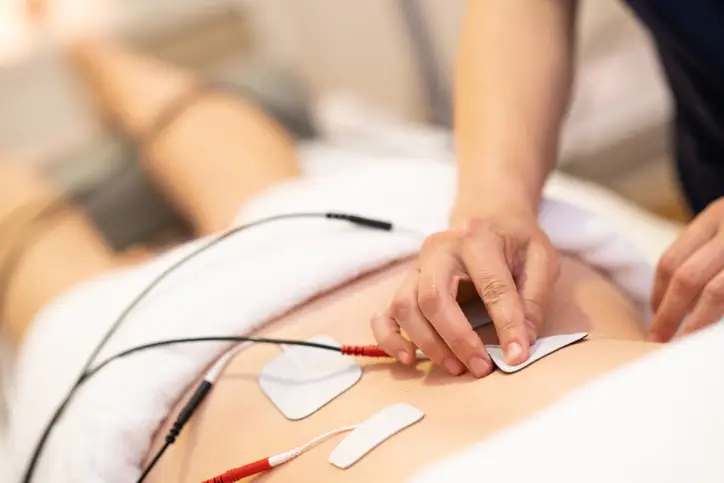
Every tissue in your body has a characteristic electrical frequency. FSM therapy delivers precise microcurrents matched to specific tissues—whether muscle, nerve, tendon, or fascia. When the frequency matches the tissue, it can enhance cellular communication, increase ATP (cellular energy) production, and accelerate healing processes.
Your practitioner selects frequency combinations based on your specific condition. Different frequencies target different tissues and different types of dysfunction—inflammation, scarring, nerve pain, or muscle spasm. This precision allows FSM to address conditions that broader treatments may miss.
FSM is completely painless. Most patients feel nothing during treatment or experience a mild warmth or relaxation. There are no needles, no drugs, and no significant side effects when properly administered.
Frequency specific microcurrent can be effective for:
Pain Conditions
Inflammatory Conditions
Nerve-Related Issues
Recovery & Regeneration
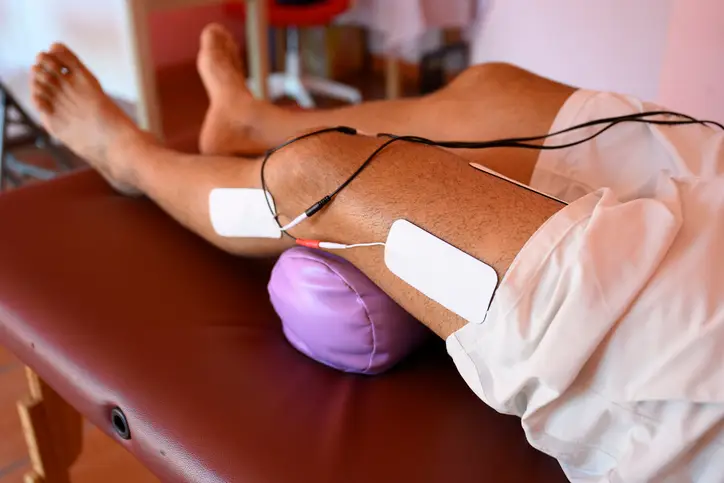
Frequency specific microcurrent may be particularly helpful if:
FSM is not appropriate for patients with pacemakers, implanted pumps, or during pregnancy. Your practitioner will review your health history to ensure FSM is safe for you.
FSM is often combined with other treatments—physiotherapy, chiropractic, or massage—as part of a comprehensive care plan.
1
Assessment
Your practitioner reviews your condition and determines appropriate frequency protocols
2
Setup
Moist towels or graphite gloves deliver the microcurrent to targeted areas
3
Treatment
Sessions typically last 30-60 minutes; you'll feel little or nothing during treatment
4
Response
Many patients notice improvement during or immediately after the first session
5
Follow-Up
Depending on your condition, a series of treatments may be recommended for lasting results

Matthew Somers
Matt is a Registered Massage Therapist and Manual Osteopathic Therapist with a passion for human anatomy. With a background in the trades for most of his early twenties, he is no stranger to the aches and pains of manual labour. He utilizes this passion in his career to help figure out the root causes of problems and uses a whole-body approach in injury and pain management. Matt knew he was missing something in his practice so he returned to school to attain his designation as a Manual Osteopathic Therapist.
No. The current is so low that most patients feel nothing at all. Some experience mild warmth, tingling, or relaxation. FSM is one of the gentlest treatments we offer.
Many patients notice improvement after the first session—reduced pain, improved mobility, or decreased inflammation. However, lasting results typically require a series of treatments, especially for chronic conditions.
FSM is typically provided as part of a physiotherapy or chiropractic session and billed under those disciplines. Check with your insurance provider about your specific coverage.
Yes. FSM works well alongside manual therapy, exercise rehabilitation, and other modalities. At Altitude, it’s included in your treatment when clinically appropriate—no extra charge.
TENS uses higher currents that you can feel and works primarily by blocking pain signals. FSM uses currents 1000x lower at specific frequencies designed to promote tissue healing and reduce inflammation at the cellular level.
Interested in frequency specific microcurrent for your condition? Book a consultation to find out if FSM is right for you.