

Learn how treating disc herniation with physiotherapy may ease pain, build strength, and help you avoid surgery. Get clear exercises and self-care tips.
Disc herniation is one of the most common causes of back and neck pain in adults. It can stop you in your tracks, whether from a single awkward lift or years of wear on your spine. Many people assume surgery is the only real fix, but that’s rarely the case. Treating disc herniation with physiotherapy is, for most people, a genuinely effective path to recovery, and it’s where most clinical guidelines now point first.
Table of Contents
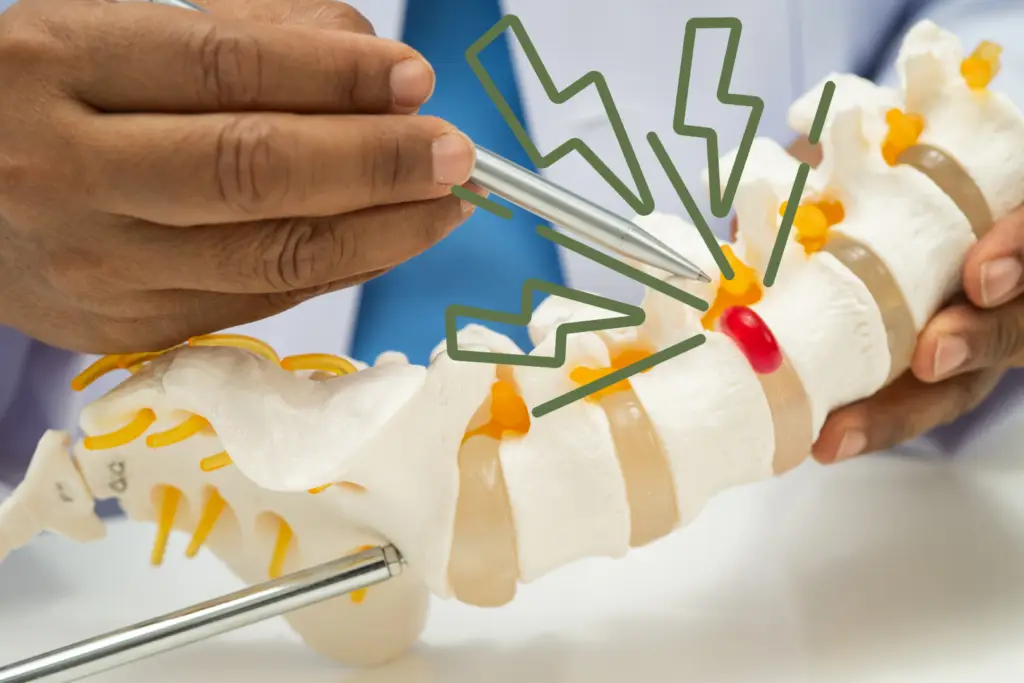
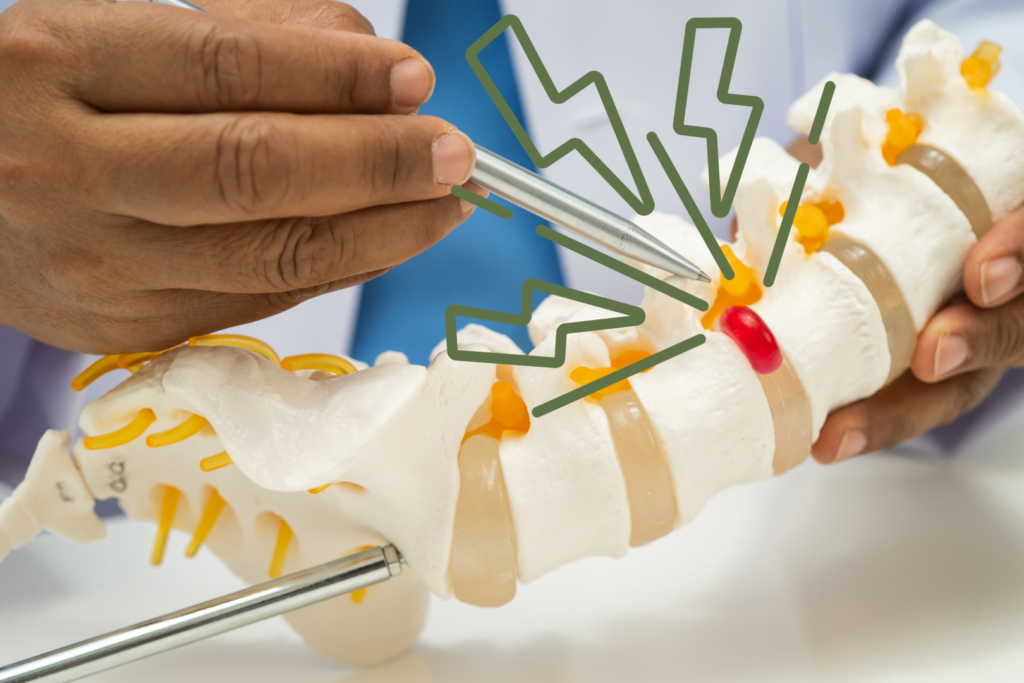
Your spinal discs act as cushions between your vertebrae. A herniation occurs when the disc’s gel-like center pushes through a tear in its tough outer layer. Rather than “slipping,” the disc actually bulges or protrudes, putting painful pressure on nearby nerves.
Each disc has a tough outer layer (the annulus fibrosus) and a soft, gel-like center (the nucleus pulposus). A herniation happens when that gel pushes through a tear in the outer layer. You might have heard it called a “slipped disc,” but that term is a bit misleading. The disc doesn’t actually slip out of place. What happens is more of a bulge or protrusion, and that’s what puts pressure on nearby nerves.
Herniations are classified by how far the disc material has moved: protrusions, extrusions, and sequestrations (where disc material fully separates). The type and location of the herniation affect what symptoms you feel and how treatment is approached.
Common Risk Factors and Symptoms
Herniations typically result from gradual disc weakening, accelerated by factors like excess weight, heavy lifting, prolonged sitting, smoking, aging, or a sedentary lifestyle. As noted on our herniated disc page, even a minor movement like a sneeze can trigger symptoms after long-term weakening.
Symptoms depend on the location: a lumbar (lower back) herniation causes back, buttock, and leg pain, while a cervical (neck) herniation affects the shoulders and arms. Both can cause numbness or shooting pain. Left untreated, nerve compression can cause muscle weakness, making early assessment crucial. This can also be connected to lower back pain more broadly.
- Excess body weight, which adds stress to the lumbar discs
- Physically demanding work or repetitive lifting
- Prolonged sitting, especially with poor posture
- Smoking, which reduces oxygen supply to disc tissue
- Genetics and age-related disc degeneration
- A sedentary lifestyle that leaves the spine poorly supported
Sometimes the trigger is surprisingly minor. A sneeze or a small awkward movement can be the final straw after months or years of disc weakening that went unnoticed. As we note on our herniated disc page, that small movement is usually “the end result of a long-term weakening of the disc.”
Symptoms vary depending on where in the spine the herniation occurs. A lumbar (lower back) herniation often causes pain in the lower back, buttocks, and legs. A cervical (neck) herniation tends to produce pain in the shoulders and arms. Both can cause numbness, tingling, or a sharp shooting pain when you cough, sneeze, or move in certain ways.
If left untreated, nerve compression can eventually lead to muscle weakness. The longer the nerve signal is disrupted, the more likely you are to experience muscle atrophy in the affected area. If you’re noticing shooting pain with numbness or tingling in your limbs, that’s a good reason to get assessed sooner rather than later. This can also be connected to lower back pain more broadly, so it’s worth having a professional evaluate what’s driving your symptoms. After all, treating disc herniation with physiotherapy is much easier when started early.
Why Treating Disc Herniation with Physiotherapy Is a First Line Approach
Surgery is rarely the answer; only 2 to 10% of disc herniation cases require it. Conservative care is now the primary recommendation. Research published in PMC confirms physical therapy is a mainstay for nerve pain management, and a 2024 meta-analysis in Clinical Spine Surgery showed a 70.39% spontaneous disc resorption rate with conservative treatment.
Physiotherapy is non-invasive and addresses the root problem by reducing nerve pressure, restoring movement, and building spinal support without surgical risks or downtime. Ultimately, treating disc herniation with physiotherapy provides a baseline for further treatment whether at the clinic or with a third party specialist.
Physiotherapy for Disc Herniation Treatment: Key Techniques and Approaches
Physiotherapy for disc herniation treatment isn’t a one-size-fits-all protocol. That said, there are several approaches commonly used. When treating disc herniation with physiotherapy, your provider will select a suitable combination of these methods to help you heal.
Core Strengthening and Stabilization
The muscles around your spine, particularly your core, play a major role in protecting your discs. Weak core muscles leave the spine vulnerable to excess load and poor positioning. Targeted strengthening exercises help restore that support, reduce pressure on the affected disc, and improve your overall spinal mechanics.
Manual Therapy
Hands-on techniques can help restore movement in restricted spinal segments, reduce muscle tension, and relieve nerve pressure. Manual manipulations are designed to help position the spine correctly, which can move the disc away from the nerve or reduce the deformation causing symptoms. Some evidence also supports traction therapy for reducing pain and improving straight leg raise tests in people with disc herniation.
Directional Preference and Movement Retraining
The McKenzie approach identifies specific movement directions that reduce or centralize your pain. This is particularly useful for disc-related leg or arm pain, as centralizing symptoms (moving pain away from the limb and toward the spine) is generally a positive sign of recovery.
Flexibility and Aerobic Exercise
Gentle stretching, walking, and cycling help maintain mobility, promote circulation to the disc, and reduce inflammation. These activities also support a healthy weight, which takes load off the lumbar spine.
Posture and Ergonomics Education
Learning how to sit, stand, lift, and sleep in ways that protect your spine is a core part of physiotherapy. Simple adjustments, like keeping your monitor at eye level, using lumbar support when seated, or adjusting your driving position, can make a real difference in day-to-day symptoms and long-term disc health.
How Treating Disc Herniation with Physiotherapy Supports Recovery
Recovery generally starts with managing acute pain in the first couple of weeks, followed by improved mobility over weeks two through six. One study on multidisciplinary conservative treatment showed an 80% success rate for full recovery and return to daily activities within 90 days.
Self-Care and Lifestyle Tips to Complement Physiotherapy
Consistency between appointments is vital. Because treating disc herniation with physiotherapy is an active process, you should build these daily habits to support your recovery:
- Sleeping position: Sleep on your back or side with a pillow between your knees to reduce spinal stress.
- Lifting technique: Bend at the knees, keep objects close to your body, and never twist while lifting.
- Sitting habits: Avoid prolonged sitting; move every 30-45 minutes and use proper lumbar support.
- Stress management: Keep muscle tension low through breathing exercises or gentle walks.
- Diet and inflammation: Eat anti-inflammatory foods to support spinal health, as detailed in our Healthy Habits, Happy Spine blog.
Empowering Your Spinal Health for the Long Term
Treating a disc herniation with physiotherapy isn’t just a quick fix—it builds the strength and body awareness needed to protect your spine for life. Most people recover entirely without surgery, provided they stay consistent with their care.
The research is clear: most people recover well without surgery, and physiotherapy plays a central role in that. By treating disc herniation with physiotherapy, you actively participate in correcting the root cause of your pain rather than simply masking it. But recovery does require commitment. Sporadic care tends to produce sporadic results. Consistent exercise, good posture habits, and regular check-ins with your practitioner are what make the difference over time.If you’re dealing with back or neck pain and suspect a disc herniation might be involved, getting a proper assessment is the right first step. From there, a treatment plan can be built around your specific symptoms, lifestyle, and goals. You can book an appointment online or get in touch with our team to find out how we can help.