

Learn the common causes of mid back pain, the warning signs that need a physician or emergency care, and how a thorough thoracic spine assessment works in Calgary.
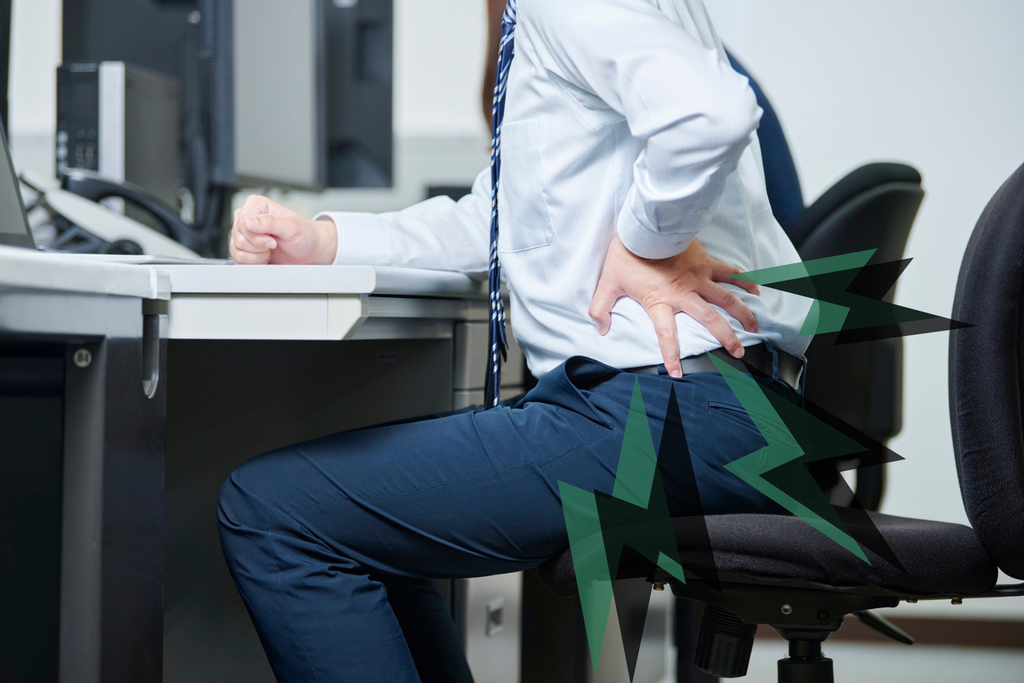
Mid back pain gets less attention than neck or lower back pain, yet it is common, often tied to long stretches of desk work, and occasionally a signal of something that is not spinal at all. Here is what usually drives it, which symptoms call for a physician or emergency care, and what a thorough assessment looks like.
Table of Contents
What counts as mid back pain?
Clinically, mid back pain is pain felt between the first and twelfth thoracic vertebrae (T1 to T12), where the ribs attach. The Canadian Chiropractic Guideline care pathway for thoracic and chest wall pain notes symptoms can arise from the vertebral joints, the rib joints where they meet the spine, and the surrounding muscles and soft tissues.
A systematic review in BMC Musculoskeletal Disorders reported one-year prevalence of thoracic spine pain between 15 and 27.5 percent across general-population studies, with higher rates in adolescents and in females.
Common causes of mid back pain
Postural strain and muscle strain
The Briggs review links postural, backpack and lifestyle factors with thoracic pain, and this pattern is familiar to anyone who works at a downtown desk. Hours of forward-leaning posture at a laptop or steering wheel keep the thoracic extensors and the muscles between the shoulder blades under sustained low-level load, producing a dull ache that builds through the workday and eases with a change of position. As our article on signs it is time to see a chiropractor explains, a stiff mid back can also shift load onto the neck and lower back, so thoracic stiffness sometimes shows up first as a headache or neck tension. Acute strains from awkward lifting, rotational sports or hard coughing produce a more localized, movement-specific ache.
Facet and rib joint dysfunction
The small facet joints of the thoracic spine and the costovertebral joints can become irritated and produce a deep, segmental ache that may wrap around the chest wall and worsen with rotation, deep breathing or direct pressure. A review on PM&R KnowledgeNow estimates that 34 to 48 percent of chronic thoracic pain is facet-mediated. Costovertebral joint irritation can mimic chest pain, sometimes leading to cardiac testing before the joint is identified as the source.
Less common structural causes
- Osteoporotic compression fracture. New focal pain after minor force in someone with osteoporosis, a previous fragility fracture, older age or long-term corticosteroid use needs prompt medical assessment, per the 2023 Canadian osteoporosis guideline.
- Thoracic disc herniation. Rare as a cause of symptoms; a published case series notes it is sometimes misread as a gastrointestinal or cardiac complaint.
- Inflammatory back pain. Persistent pain in a younger adult with night waking, prolonged morning stiffness and improvement with movement may point toward spondyloarthritis and warrants medical referral.
Referred pain from organs
Thoracic spinal nerves share pathways with the heart, gallbladder, pancreas and aorta, so pain that does not change with movement, or arrives with nausea, sweating, breathlessness or digestive symptoms, deserves medical review.
When to get mid back pain checked
The Canadian pathway separates warning signs into tiers; treat them as prompts, not self-diagnoses.
Call 911 or go to emergency now
- Chest pressure, squeezing or burning with discomfort spreading to the back, shoulder, arm, neck or jaw, especially with shortness of breath, sweating, nausea or light-headedness. Heart and Stroke Canada notes a heart attack can occur without prominent chest pain.
- Abrupt, severe chest, back or abdominal pain that is worst at onset, with fainting or a new neurological deficit.
- Sudden breathlessness with sharp upper back pain, coughing blood or a racing heart, particularly after surgery, immobilization or during pregnancy.
- New or rapidly progressive leg weakness, a band of numbness around the trunk, or new bowel or bladder dysfunction.
- Pain after major trauma, especially with deformity, breathing difficulty or inability to move.
Book a physician visit promptly
- A history of cancer with new, progressive or night-dominant thoracic pain, or unexplained weight loss.
- Fever or chills alongside worsening focal back pain, recent infection or immunosuppression.
- Focal bony pain after minor force when bone-health risk factors are present.
- Pain that is not improving after several weeks of appropriate physiotherapy or manual therapy.
If you are unsure, Alberta’s Health Link 811 line is staffed around the clock by registered nurses who can triage symptoms.
Book an assessment with a physiotherapist or chiropractor
If none of the flags above apply, mechanical mid back pain that keeps returning or limits sleep, work or training is worth a thorough assessment. In Alberta you can see a physiotherapist without a physician referral for most musculoskeletal complaints, and Primary Care Alberta’s pathway indicates that uncomplicated back pain without red flags generally does not require imaging first.
How we assess mid back pain at Altitude Collaborative Health
Safety screening comes first. The Canadian pathway recommends a history that covers onset, aggravating and relieving factors, breathing-related and systemic symptoms and medical background, so that non-musculoskeletal causes are identified and referred on. Our physiotherapy assessment then looks at movement patterns, strength, flexibility, daily activities and goals, and our chiropractors assess the whole body rather than only the painful spot, because a thoracic spine issue can show up as shoulder tension and pain is not always felt where it originates.
Under our One Team, One Plan model, a patient whose mid back pain is driven by a stiff rib cage, weak postural muscles and a poorly set up workstation might see a physiotherapist for mobility and strengthening, a massage therapist for trigger points between the shoulder blades, and an osteopathic practitioner for breathing and rib mechanics, all following a single coordinated plan.
What treatment usually involves
For non-specific musculoskeletal thoracic pain, the Canadian pathway lists thoracic and shoulder-girdle mobility work, trunk and upper-body strengthening, aerobic activity, and thoracic or rib mobilization, manipulation and soft-tissue techniques as options within a monitored plan, citing the OPTIMa systematic review. Care is matched to the individual and reassessed, and forceful manual techniques are avoided when fracture or serious pathology is suspected.
Our clinical goals include restoring thoracic extension and rotation, building endurance in the mid-back and scapular muscles, and changing the habits that keep reloading the tissue. Clinical Pilates prescribed by a physiotherapist is one way we progress spinal mobility and core control once the acute phase settles.
Self-care while you wait
- Break up long periods of sitting with standing and movement breaks.
- Raise your screen to eye height and keep the keyboard close, as outlined in our neck pain guide.
- Stay gently active within comfort, and try heat for muscular ache; the Canadian pathway supports both while capacity is rebuilt.
- Ask a clinician for thoracic mobility exercises suited to your presentation.
Frequently asked questions
Can mid back pain be a sign of a heart problem?
Yes. Pain between the shoulder blades can accompany a heart attack, sometimes without prominent chest pain. If it comes with pressure, breathlessness, sweating, nausea or light-headedness, call 911.
Who should I see first for mid back pain in Alberta?
With no red flags, a physiotherapist or chiropractor can assess and manage mechanical thoracic pain. With any of the warning signs above, see a physician or call 811 first.
Do I need an X-ray or MRI for mid back pain?
Usually not at the outset. Both the Canadian chiropractic pathway and Alberta’s primary care pathway indicate uncomplicated back pain without red flags does not usually need initial imaging; it is arranged earlier when fracture, cancer, infection or nerve involvement is suspected.
If you would like a thorough look at your mid back pain, you can book online or reach our Beltline clinic through our contact page. We direct bill most major insurers and offer Saturday appointments.